
You see a small puddle under the sink — what’s the best way to find the leak?
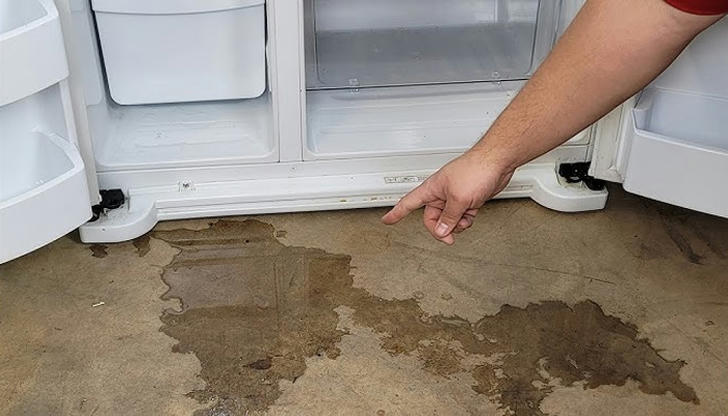
Drying and testing allows inspection and maintenance to locate leaks precisely before performing any unnecessary repair.
A hot water line bursts — what’s the first step before any repair?
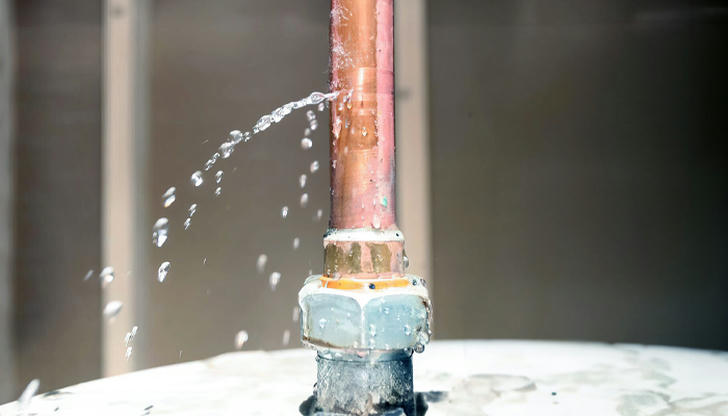
Turning off the main valve ensures home safety and prevents damage before any repair starts, stopping water flow to avoid flooding.
The showerhead keeps leaking — what seal might be worn out?
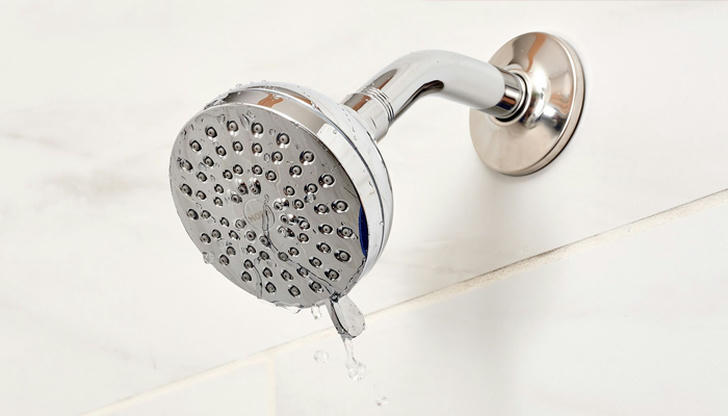
A rubber washer ensures water efficiency and a clean leak fix, sealing the connection between showerhead and pipe threads.
An outdoor spigot drips after use — what tool should you use to tighten it?
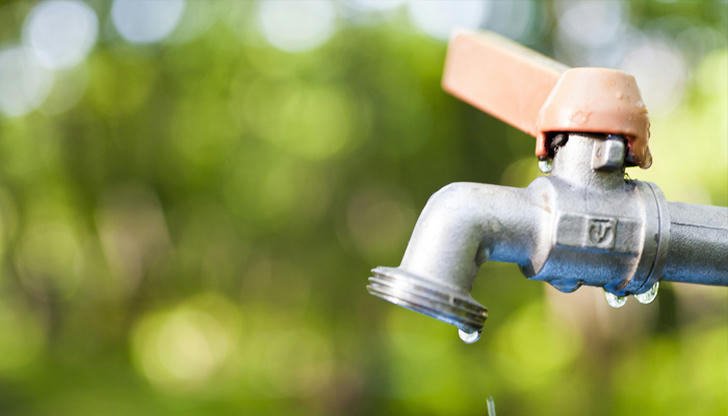
An adjustable wrench is a home maintenance repair tool perfect for tightening outdoor fittings safely and preventing future drips.
You notice water pooling around the toilet base — what should you check first?
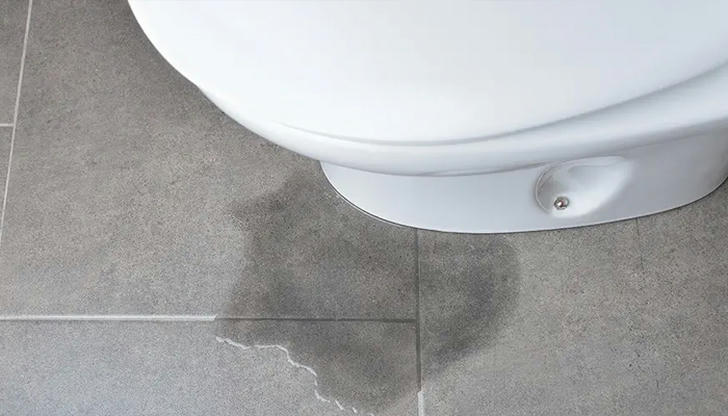
A wax ring helps ensure proper leak prevention during home repair — replacing it seals the toilet base securely and prevents water damage around flooring.
When replacing a leaky pipe joint, what must you apply before reassembly?
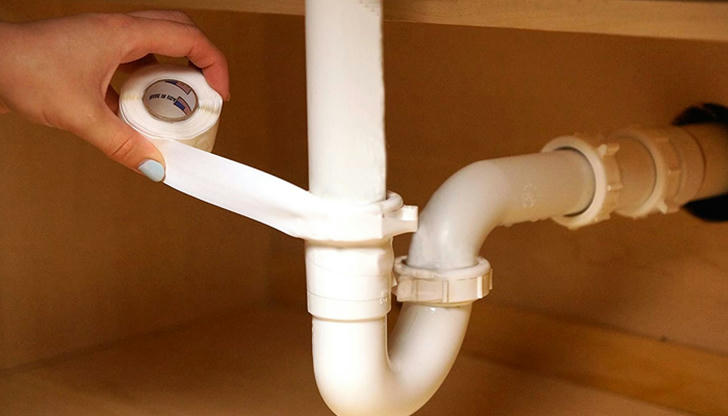
Plumber’s tape improves water efficiency and ensures a tight repair, keeping pipe threads leak-free after reassembly.
You suspect a hidden leak behind drywall — what device helps locate it?
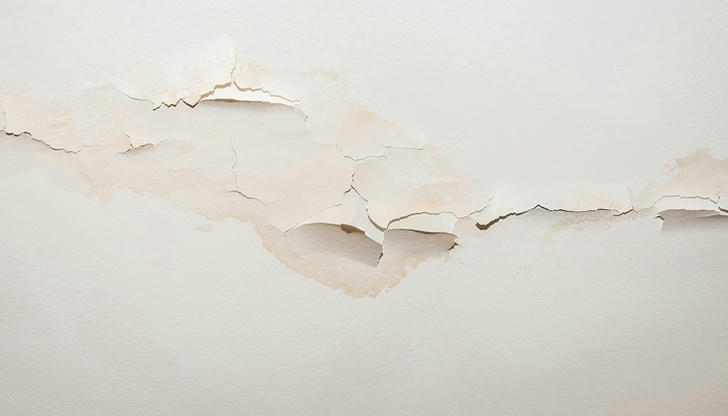
A moisture detector allows inspection and promotes home safety by finding leaks through walls before visible damage occurs.
A copper pipe has a hairline crack — which temporary fix can stop the leak?
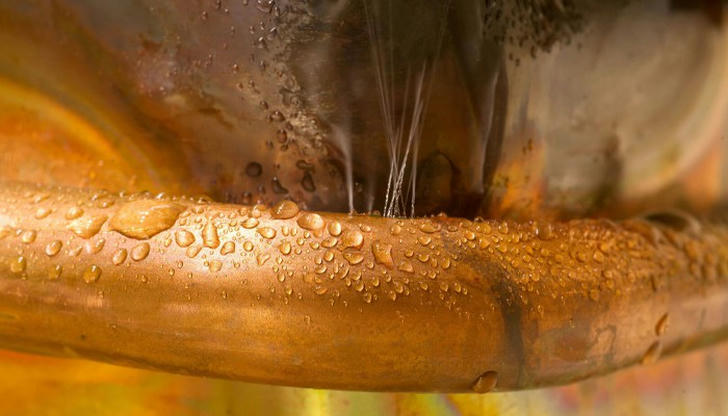
A pipe repair clamp offers an emergency fix and cost saving option — it seals cracks quickly until a full replacement is done.
After fixing a leak, what should homeowners always do before finishing?
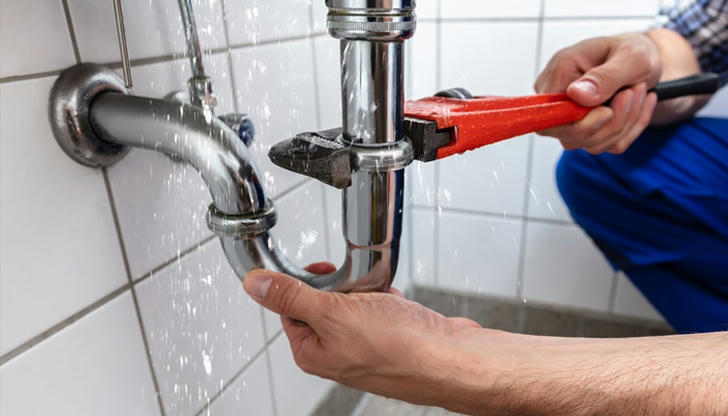
Testing slowly supports home maintenance and proper inspection, confirming no leaks before final cleanup or sealing.
The basement smells damp — which sign confirms a plumbing leak?
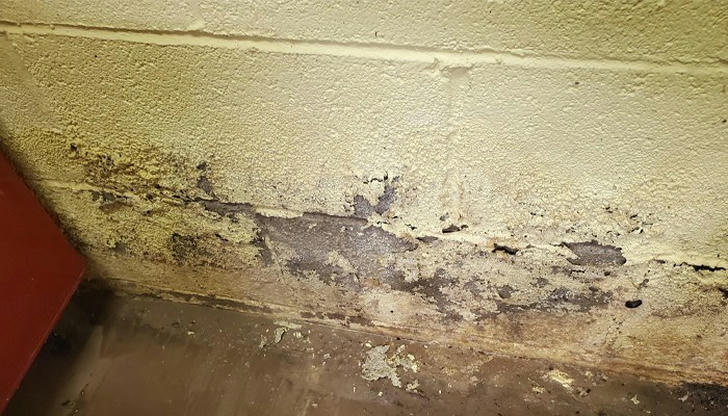
A home inspection with water meter leak detection confirms hidden leaks even when no fixtures are running.
A shutoff valve drips even when closed — what should you replace?
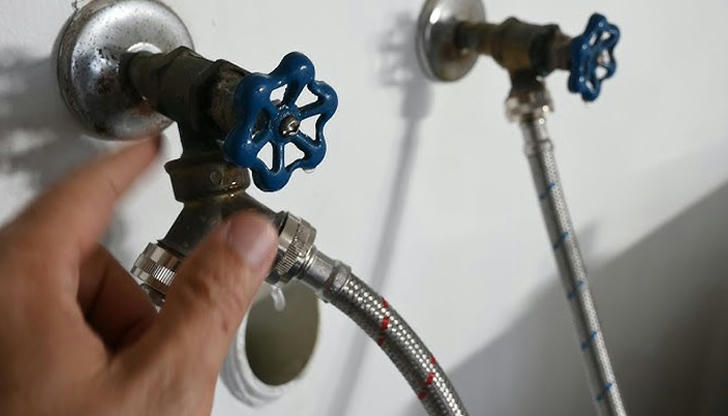
Replacing valve stem packing improves maintenance and allows a lasting repair, preventing leaks from closed valves.
A radiator pipe is leaking slightly — which product offers a quick temporary fix?
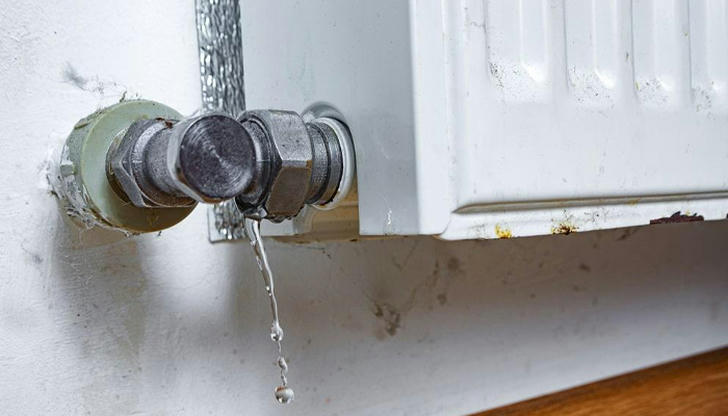
Epoxy putty provides a quick DIY fix and cost-saving seal for small leaks, hardening fast to stop drips until permanent repair
A pipe joint is leaking at the thread — which material creates a watertight seal?
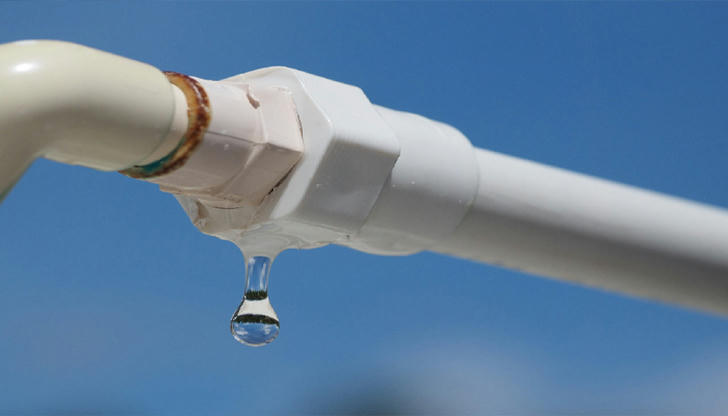
Teflon tape forms a watertight seal on threaded pipe joints — an essential maintenance step that keeps your plumbing connections secure and drip-free.
The faucet keeps dripping even when turned off — which part likely needs replacement?
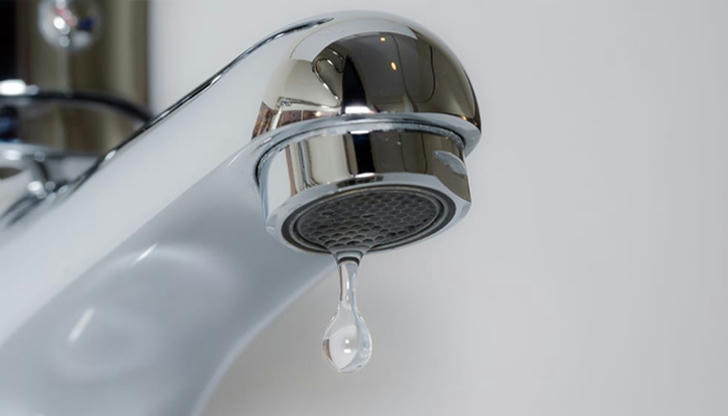
A washer helps fix a dripping faucet, improving water efficiency and providing a lasting fix that reduces wasted water and noise.
Your washing machine hose is leaking — which action should you take first?
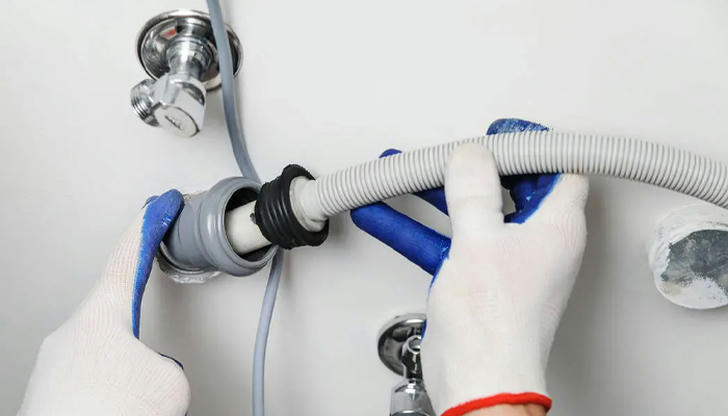
Turning off water supply ensures leak prevention and improves home safety before inspecting the hose or fittings.
The kitchen drain backs up — what tool clears the blockage?
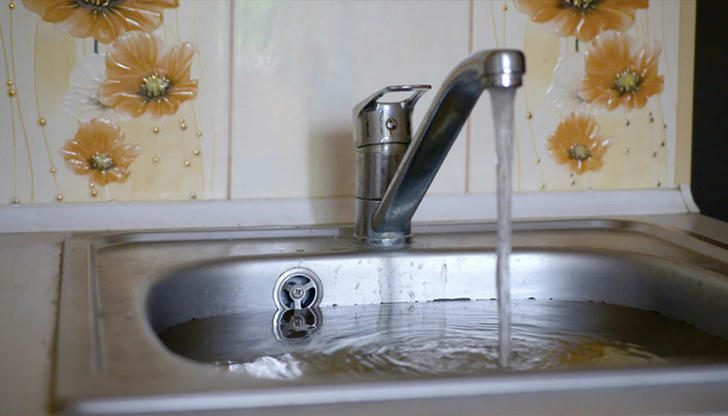
A drain snake helps with clog removal during home repair, breaking up deep pipe blockages more effectively than a plunger.
Your kitchen sink pipe is dripping slowly — which tool helps seal the leak?
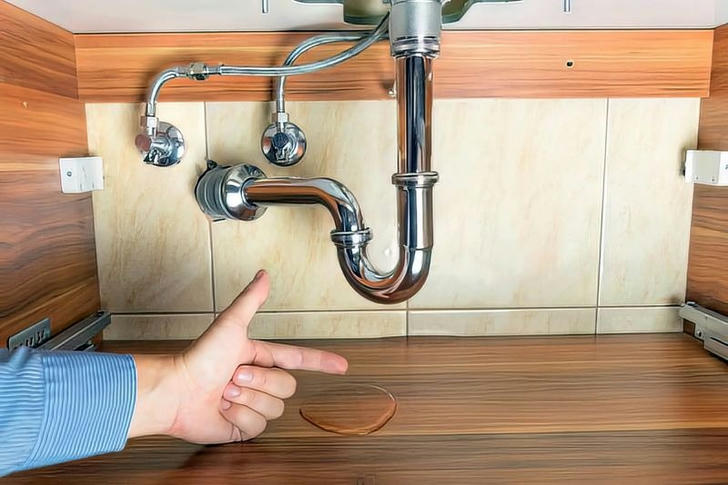
A plumber’s tape helps fix small pipe leaks by creating a tight seal — a simple DIY repair every homeowner can use to prevent costly water damage. Regular inspection keeps plumbing efficient and safe.
The toilet keeps refilling — which component is likely faulty?
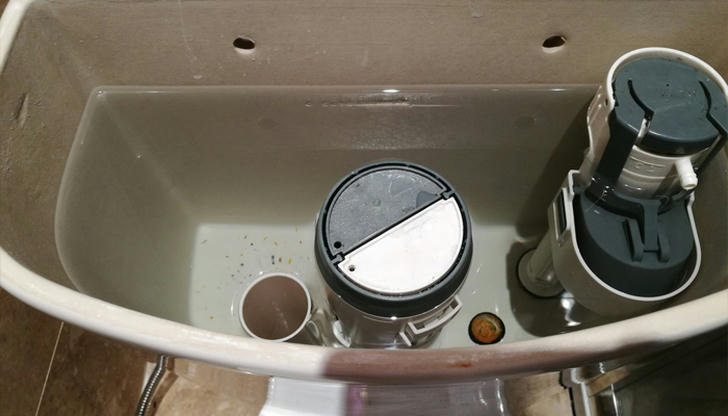
A flapper valve prevents water waste; replacing it is a simple DIY fix to stop constant refilling and lower bills.
If pipes are making noise or leaking at joints, what should you test?
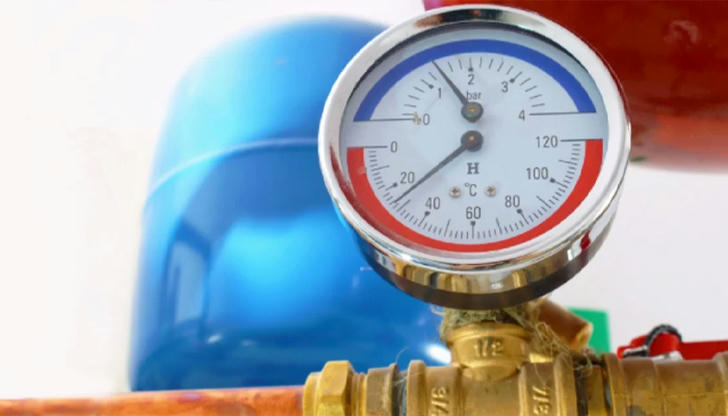
Using a water pressure gauge helps maintain pressure regulation and proper maintenance, preventing leaks and noisy pipes.
You find a loose coupling under the sink — which tool tightens it safely?
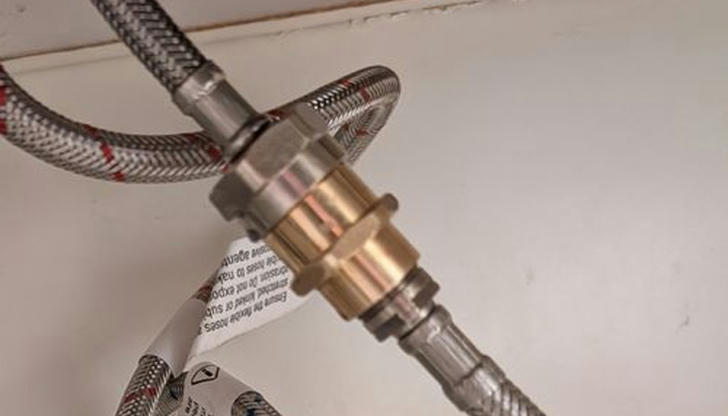
Slip-joint pliers help every homeowner perform quick maintenance, tightening fittings without overgripping or damage.